

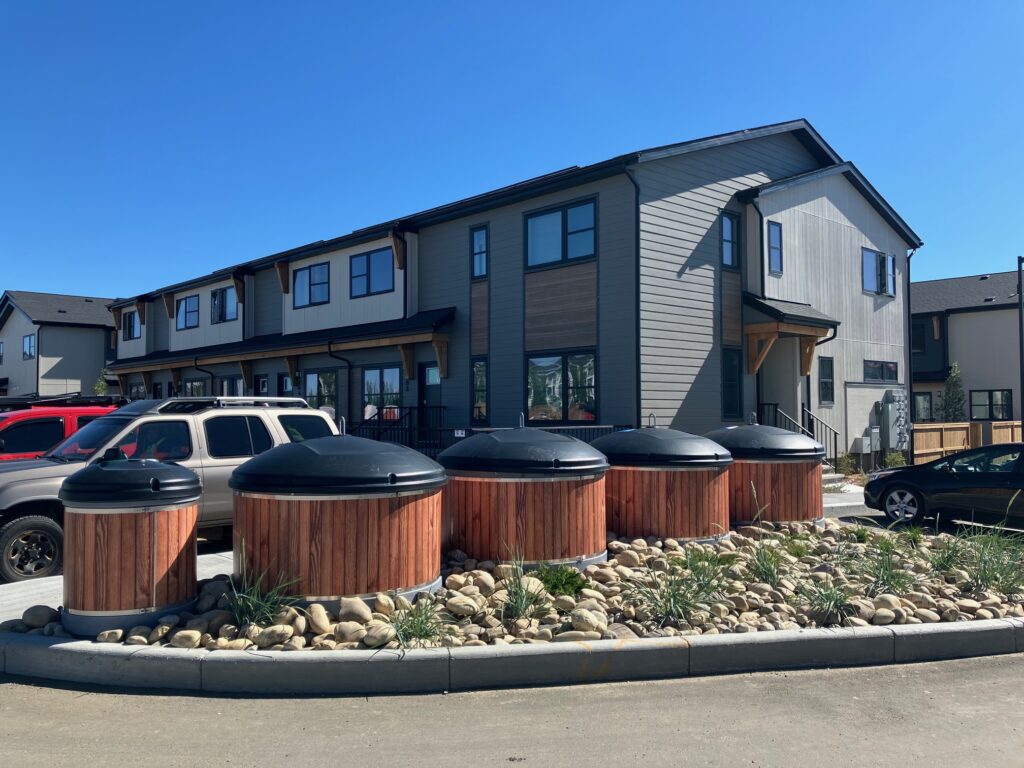
Waste infrastructure is easy to overlook, but it plays a huge role in how well a facility runs.
When done right, the right waste infrastructure gives people a clean, safe and simple place to drop off recyclables, organics and garbage until collection day. When done poorly, waste systems turn messy, unsafe and are expensive for facility management.
If you’ve never planned a Deep Waste Station before, the process can feel intimidating. The good news? We have! Our team has decades of experience with helping customers solve waste problems.
Here’s five key steps to keep in mind:
1. Know your waste streams
Start by understanding how waste needs to be separated to meet local and regional processing rules. The most common streams are garbage, mixed recyclables (like glass and plastic containers), cardboard and organics.
Your facility may need more.
Restaurants and food service operations often need a grease stream. And some sites benefit from splitting organics: a large park with a café, for example, might separate heavy food waste from lighter material like leaves, brush and grass clippings.
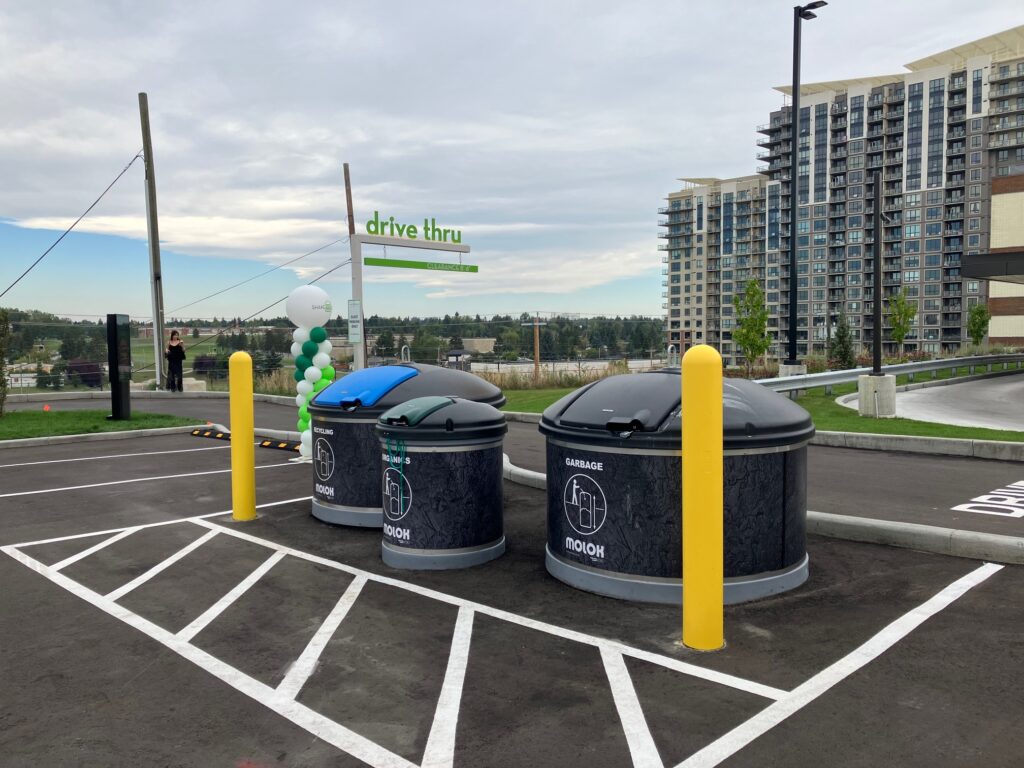
2. Measure today’s volumes and plan for tomorrow’s
- Retrofitting an existing site? You likely have this data already, or can work it out quickly from the carts and dumpsters you use now.
- Building new, renovating, expanding or changing tenants? Our team can help estimate your volumes based on years of experience.
- Expanding in phases? Decide early whether each new phase will feed into the existing original Deep Waste Station (which then needs room to grow) or get a Deep Waste Station of its own.
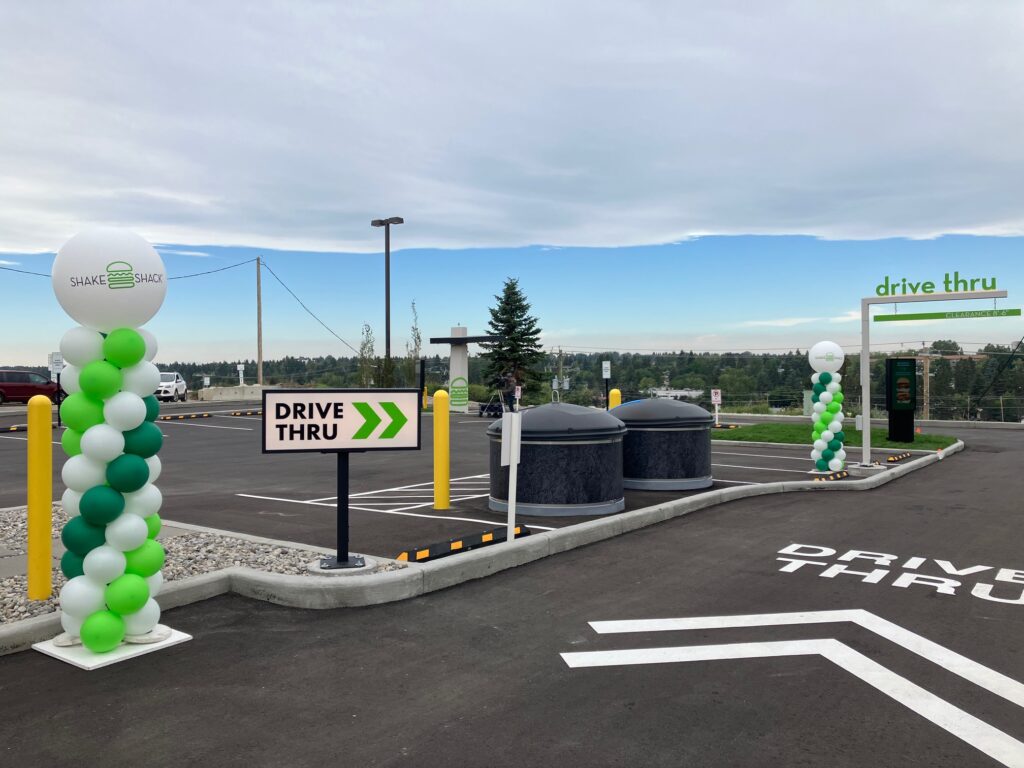
3. Balance capacity with collection frequency
- More frequent collection means less capacity (containers) are needed, but collection costs go up.
- Less frequent collection lowers collection costs, but you’ll need more capacity. Because the Molok® Deep Collection™ system keeps odours in check, longer gaps between pickups won’t leave you with a smelly site.
- Add SMART™ to your containers and avoid unnecessary collection – SMART Sense measures and monitors when the containers are becoming full, notifying when pick up is necessary!
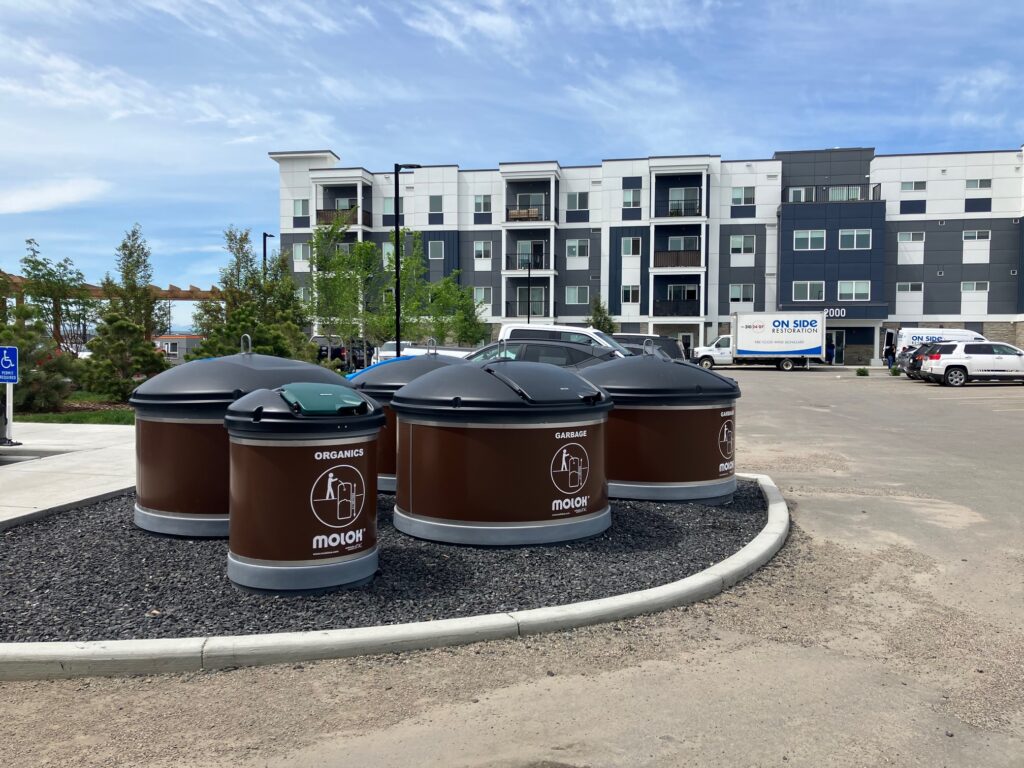
4. Match the right container & lifting bag to each stream
- Garbage and other waste with lots of unseparated organics: Semi-Hard Lifting Bag in the M-5000 or M-3000
- Glass: Rubber-Lined Lifting Bag
- Plastic, metal, cardboard and paper: Standard Lifting Liner in the M-5000, M-3000 or M-1300
- Grease: M-Grease
- Heavy organics like food waste: the smaller M-Organics
- Light organics like leaves, grass clippings and compostable paper: the larger M-Organics
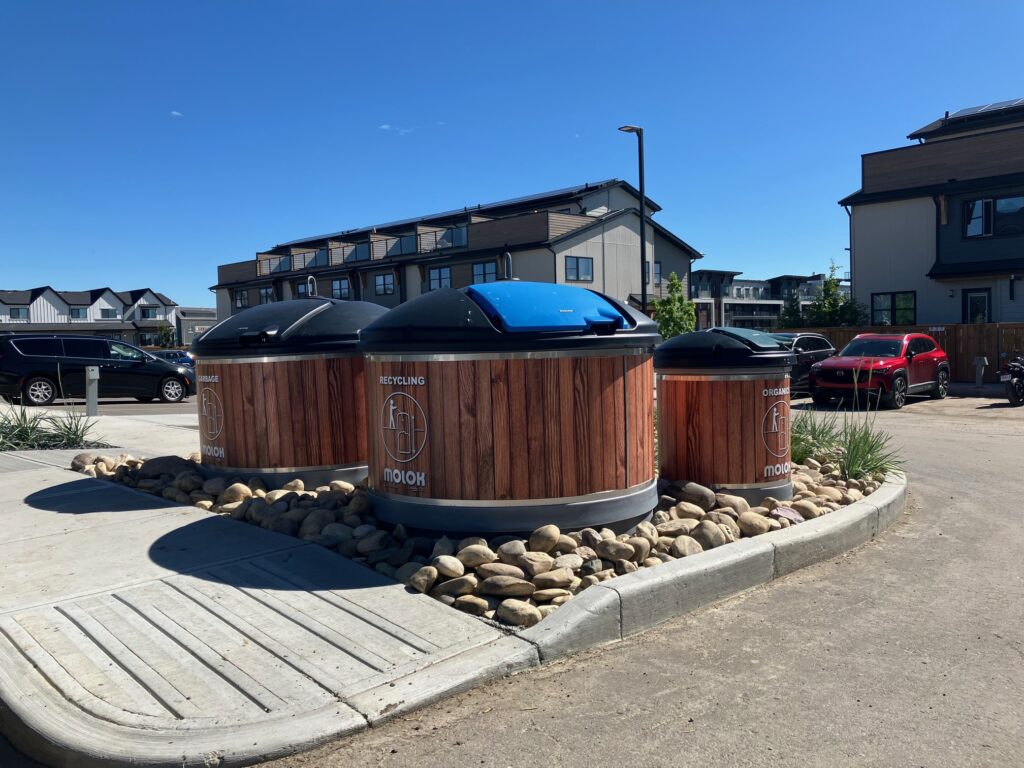
5. Convenience, put waste stations where people will actually use them
- Keep every Deep Waste Container at least 300 mm (1 ft) from walls, structures and underground utilities. We also recommend 300 mm between containers.
- Place every Deep Waste Container within 7 m (23 ft) of where the collection truck will park.
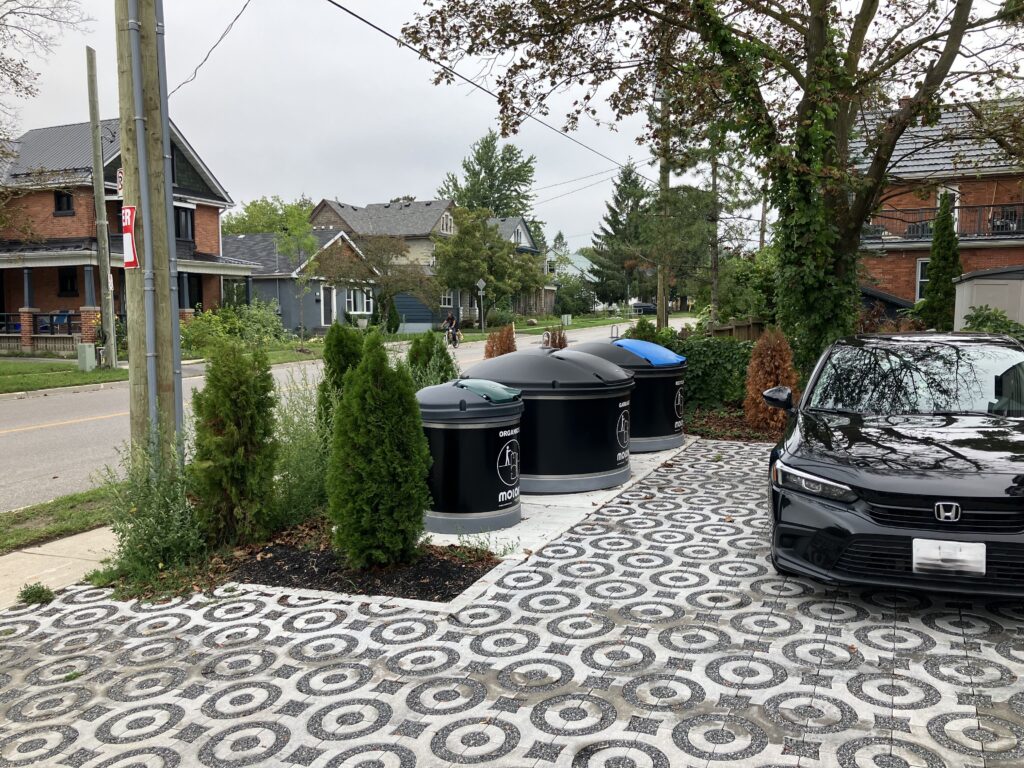
- Keep the area overhead clear of trees, power lines and lighting, so the lifting arm and bag stay a safe distance from electrical sources during collection.
 EN
 FR